This was first sent to hundreds of subscribes to my newsletter. Subscribe yourself for extra stuff from my radio shows, documentaries and the stories I’m working on.
*
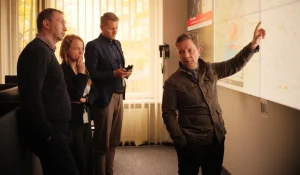
Deep in a grey stone government building in the Lithuanian capital of Vilnius, a small group of officials stare at a digital map on the wall. The map pings with notifications of live incidents unfolding across the country, like fires, possible attacks, and Russian drones breaching Lithuanian airspace.
But it doesn’t just track physical threats, because in recent years Lithuania’s National Crisis Management Centre has established itself as one of the world’s most sophisticated and successful disinformation war rooms.
The excellent journalist Tom Watling visited for The Sunday Times and found a fascinating team battling a hybrid war.
Twenty-four hours a day, seven days a week, a group who call themselves “disinformation elves” track and monitor content flowing across social platforms and news outlets. They’re looking out for Russian propaganda, designed to manipulate the public and stir tension across Europe.
Lithuania is on the front line of Russia’s information war. A recent debate in the country about repealing a ban on the stationing of nuclear weapons has been a particular target of Russia’s ire. Moscow threatened to wipe Lithuania from the map if it went ahead. The elves of the information war room noticed “unusual” petitions popping up online, and what looked like bot accounts attempting to influence the debate in Russia’s favour.